
DORSET Council says it is reducing the impact of rising global fuel and energy prices by cutting how much fuel it uses and moving away from fossil fuels – helping protect services and deliver better value for residents. However, it has still not answered a request for the actual annual spend on fuel, despite a Freedom of Information request asking it to do so. In a statement the council says long term work to modernise vehicles, improve buildings and use more renewable energy is significantly reducing both costs and carbon emissions. The authority says that since 2019/20, the it has
Dorset Council says it is reducing the impact of rising global fuel and energy prices by cutting how much fuel it uses and moving away from fossil fuels – helping protect services and deliver better value for residents.
However, it has still not answered a request for the actual annual spend on fuel, despite a Freedom of Information request asking it to do so.
In a statement the council says long term work to modernise vehicles, improve buildings and use more renewable energy is significantly reducing both costs and carbon emissions.
The authority says that since 2019/20, the it has cut fuel use across its vehicle fleet by 12 per cent. This has been achieved by planning journeys more efficiently, including bin collections, and reducing unnecessary mileage. Most council vehicles are also supplied through bulk fuel contracts, which helps limit sudden price changes.
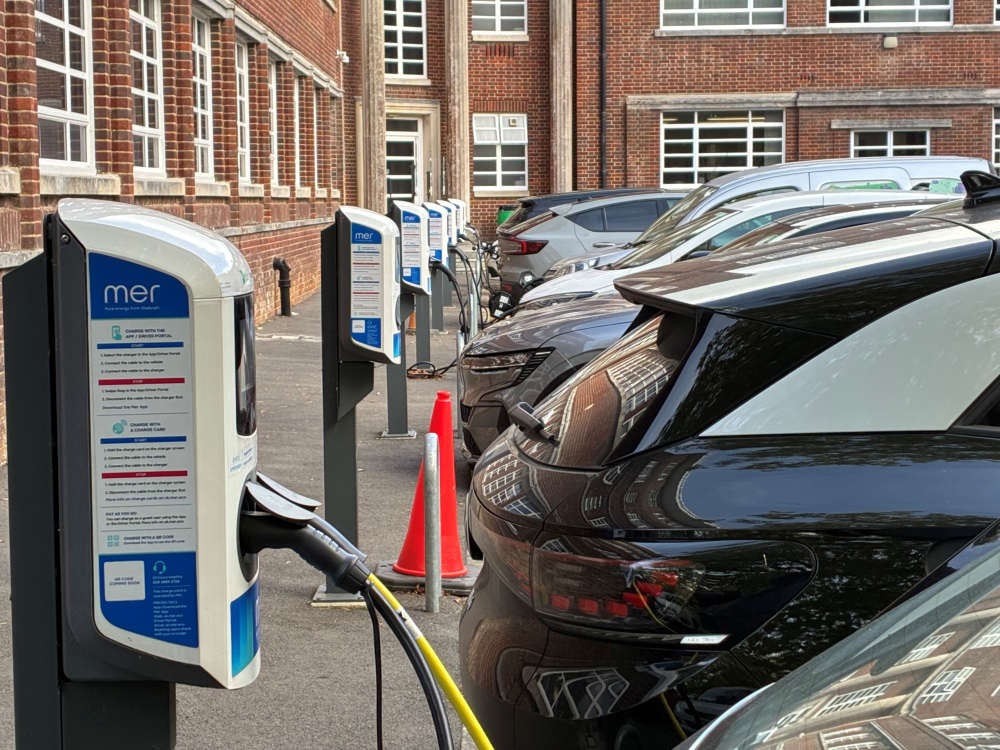
At the same time, the council is steadily replacing older vehicles with cleaner alternatives. Nearly a third (32 per cent) of the council’s small vehicle fleet is now electric, helping reduce fleet carbon emissions by 19 per cent compared with the 2019/20 baseline.
The council says that major progress has also been made in council buildings, such as offices, libraries and depots where electricity use has fallen by 46 per cent and gas use by 32 per cent, with overall building emissions down by 44 per cent. “While energy bills have still risen nationally, these reductions have helped soften the impact on council budgets,” said the council statement.
The council says only a small proportion of council buildings rely on oil and propane fired heating and consumption has reduced by 34% since 2019/20. Now, fewer than six per cent of buildings with heating systems use oil, and just four per cent of the council’s total heating energy comes from batch fuels such as oil and propane.
“Since 2020, Dorset Council has invested more than £23 million, mainly through external grants, in energy and climate projects. This includes LED streetlighting, building insulation upgrades and the installation of over 5 megawatts of solar panels. These measures are already saving an estimated £2.9 million a year on energy bills, with further renewable projects planned.”
Added council leader, Nick Ireland, who is also Cabinet Member for Climate, Performance and Safeguarding:
“Every pound we don’t spend on fuel and energy is money that can be used to support vital services for Dorset residents.
“By cutting waste, using energy more efficiently and moving away from fossil fuels, we’re protecting the council from volatile global prices while also doing the right thing for the environment.”
Residents who want help to make their homes warmer, greener and cheaper to run can find free advice and support at dorsetcouncil.gov.uk/home-energy-advice.
Financial help is also available for people struggling with the cost of living at dorsetcouncil.gov.uk/housing/financial-help or call Citizens Advice on 0800 144 8848.
 New highways management system delayed
 Kickboxers to take on 12 hour challenge
 Police continue to up patrols
 MP calls for fewer vape shops
 Appeal after caravan stolen in Portland
 Arts organisation launches fundraising appeal
 Demand for Home-Start Wessex grows
 Arrest made after shoplifting incidents
 Weymouth Samaritans volunteers celebrated
 Stolen machinery parts recovered during police op
 New beach wheelchair demonstrated at Weymouth Waterfest
 Police patrols tackle ASB